What Is Customer Retention and Why It Matters?
Keeping an existing customer usually costs far less than winning a new one. Here's what customer retention is, how to measure it, and where to start.
2 min read · Updated
Short answer
Customer retention is the percentage of customers who continue buying from you over time. A business with 80% retention keeps 8 out of 10 customers year over year. It's one of the most important metrics in any business because repeat customers cost almost nothing to serve and often spend more than new ones.
Why retention beats acquisition
Acquiring a new customer is anywhere from five to 25 times more expensive than retaining an existing one, depending on the study and industry (Harvard Business Review).
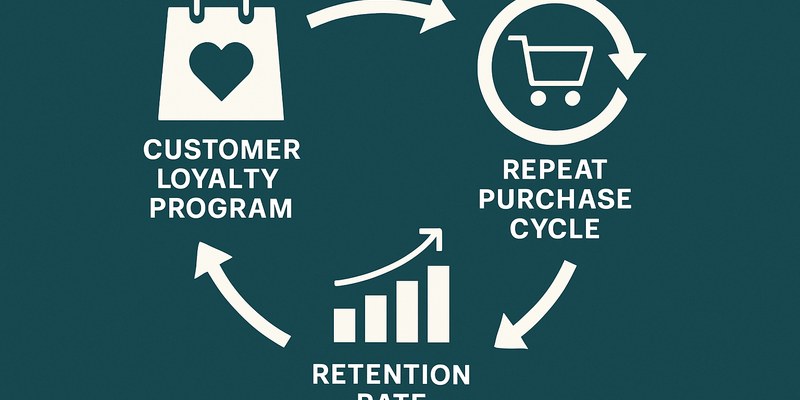
But the multiplier effect is what makes retention so powerful: every repeat purchase adds to a customer's lifetime value at little extra cost to you, and repeat customers are more likely to refer others.
Research by Frederick Reichheld of Bain & Company, cited by Harvard Business Review, found that increasing customer retention rates by 5% increases profits by 25% to 95%.
How to calculate your retention rate
Customer retention rate formula:
((Customers at end of period – New customers gained) ÷ Customers at start) × 100
Example: You start the month with 100 customers, gain 10 new ones, and end with 90. Your retention rate is ((90 – 10) ÷ 100) × 100 = 80%.
Track this monthly for service businesses, annually for high-ticket businesses.
What causes poor retention?
- Customers forget about you (out of sight, out of mind)
- The product or service didn't meet expectations
- A competitor offered something better or cheaper
- No relationship was built — they feel like a transaction
- No system for follow-up, upsell, or re-engagement
Where to start
For most small businesses, the biggest retention win is simply following up. After a job or purchase, send a thank-you message. A week later, check in. Three months later, remind them you exist.
Most competitors don't do this. The business that follows up wins.
Related questions
Free SEO checklist
Grab our free Small Business SEO Checklist — a step-by-step guide to ranking your site higher.